Make a plan
•Phase 1
•I want my Power Supply to have a battery backup
•The Power Supply should keep the battery charged
•Phase 2
•I want to add solar panels to charge the battery when the power supply is off
•End result I don’t need the power supply on while operating
The MATH
•Radio runs off 11 to 15 VDC
•Radio draws 4A – 22A amps when transmitting 100W
•PAN Display Unit draws 1.2 amps
•12V lights / HAM Clock Draws / RF Tuner
•draw 1.7 amps
•So that’s ~25amps
Batteries
•Understanding battery power
•100Ah is 1 amp draw for 100 hours roughly
•Or another way 12V * 100A = 1,200W
•So, if we are drawing 25 amps,
•But it’s not 100% of the time
•Mostly we are drawing like 5 amps
•25/75% TX/RX (for this example)
•6.25 + 3.75 = 10 amp in an hour
•Battery will last approx. 10 hours
All Batteries are not the same!
•Lead Acid Batteries
•Safety first DON’T use Flooded batteries
•They could vent hydrogen gas inside the shack
•Don’t use and old battery you have in the back of the garage
•GEL sealed batteries
•Absorbed Glass Mat (AGM)
•Have fewer charge/discharge cycles
•It’s lighter
•It’s less expensive
•1 year warranty
•Neither of these styles of batteries can be fully discharged without decreasing the capacity or will die all together.
•LiFePO4 Lithium Batteries
•MUCH lighter (27lbs).
•Will last 10 years (cheaper ones will have 5 year warranty)
•Has a built in Battery Management System (BMS)
•Controls
•Over charging
•Over discharging
•HUGE advantage because you don’t have to worry about discharging it to the point you destroy the battery.
• Automatically balances the individual cells,
•Protects against short circuits
•Senses the temperature of discharge and charging
•CON can’t be charged below 32° or purchase the more expensive battery that you can charge under 32°
•If I had it to do again, I would buy a 200Ah battery rather than putting 1 100Ah battery and thinking of adding on later, because you can’t add more batteries after 6 months.
Critical part of this plan
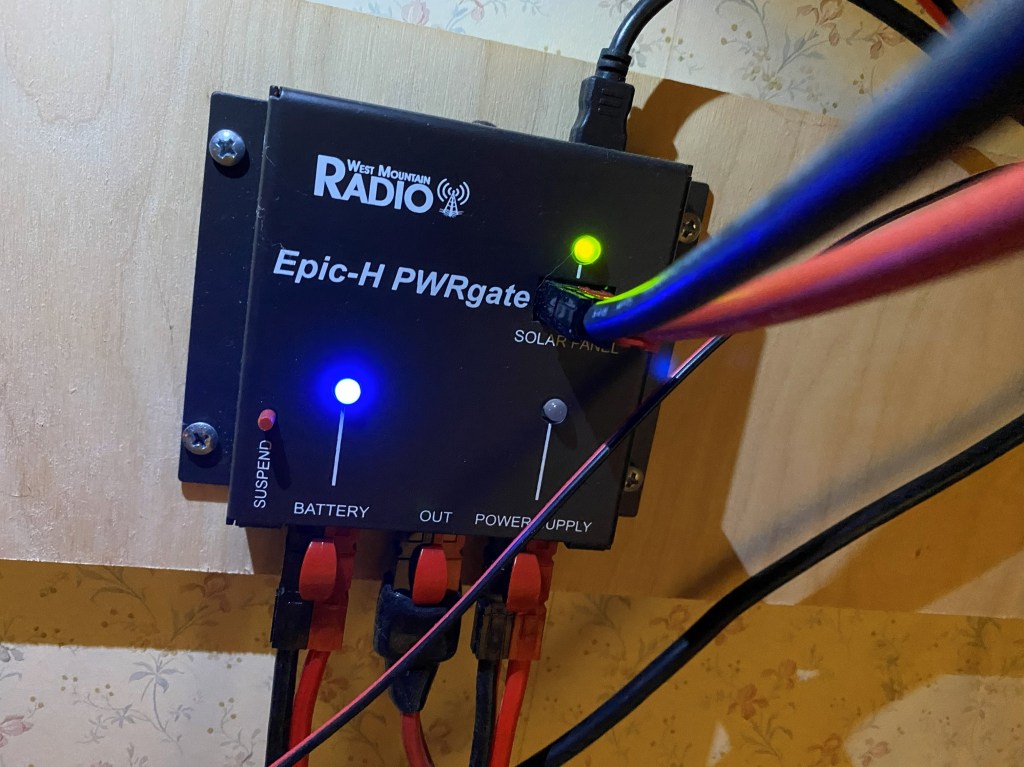
•Epic PWRgate by Western Mountain Radio
•Has Power Supply Input
•Has Battery Input
•Has a 40a output
•Has a Solar input
•Has a USB port
•EPIC-H ($189.95)
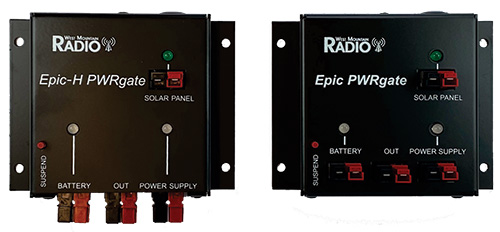
EPIC PWRgate details
•Provides 40amps of power
•Power Supply
•Battery
•Automatically switches from power supply to battery if commercial power loss or Power Supply fails
•Supports Lead Acid (GEL/AGM) and Li-ion (LiPO4)
•Charge the battery with 10amps
•Supports Solar panels directly <=30V
•Has MPPT built in
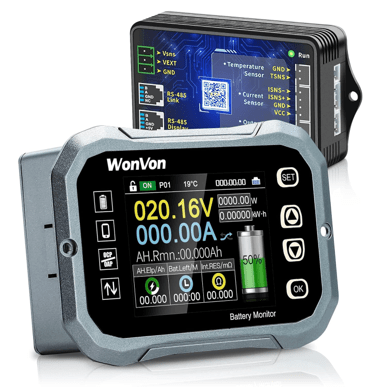
Battery monitor device
•WonVon100A monitor
•2 parts the Display and the Electronics
•Measures battery
•Charging current
•Discharging current
•Percent left in the battery
•I tried a cheaper version
•Got very poor results

Solar Panels
•Solar panels you’re looking for are without the micro inverter.
•Pick the Monocrystalline solar panels
•They are more efficient than the polycrystalline panes
•Only Pick Grade A
•Grade B can be new but damaged (internally) but it does meet specifications
•Grade C damaged and does not meet Specifications
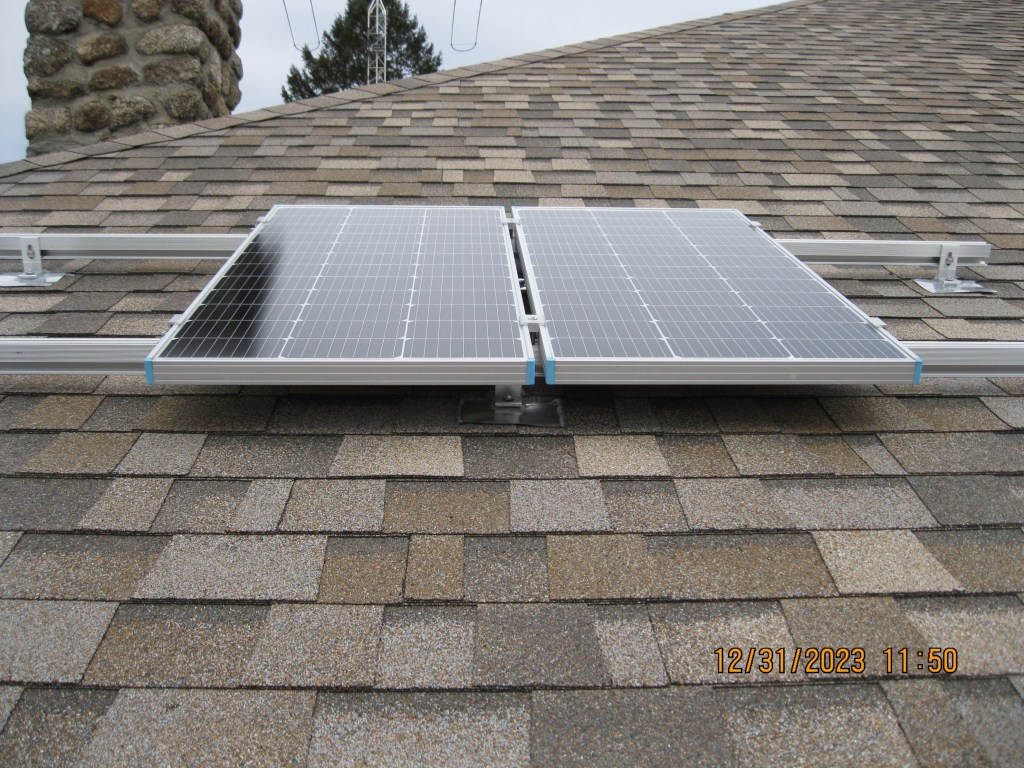
•I choose the Renogy 100W
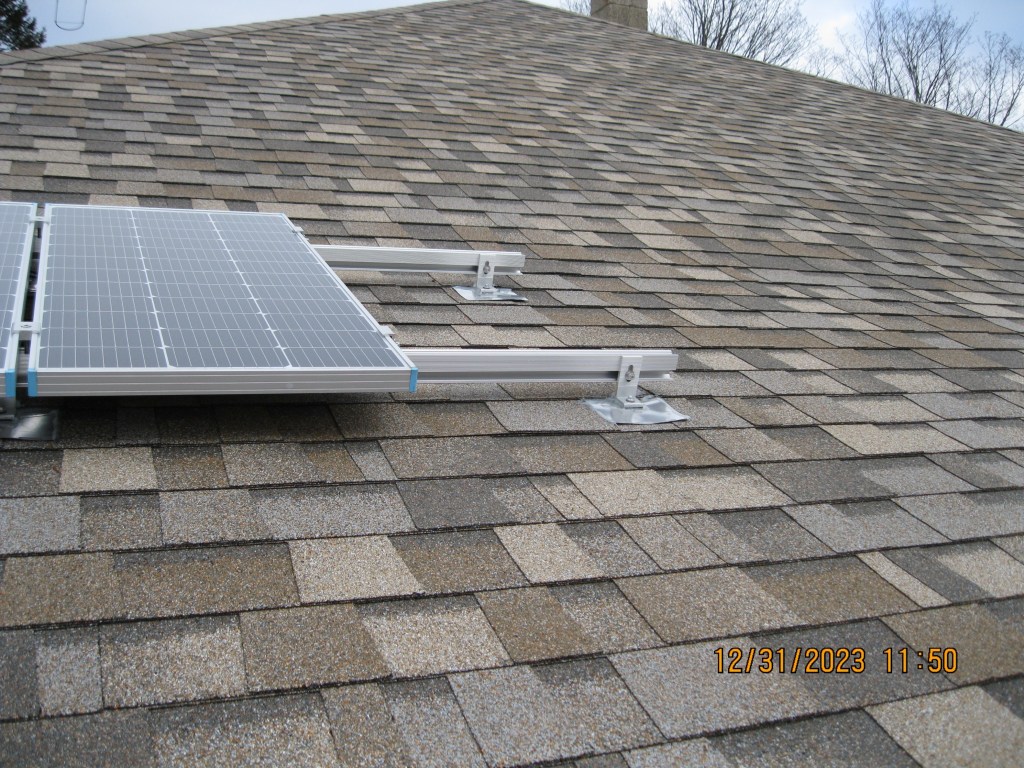
Mounting Solar Panels
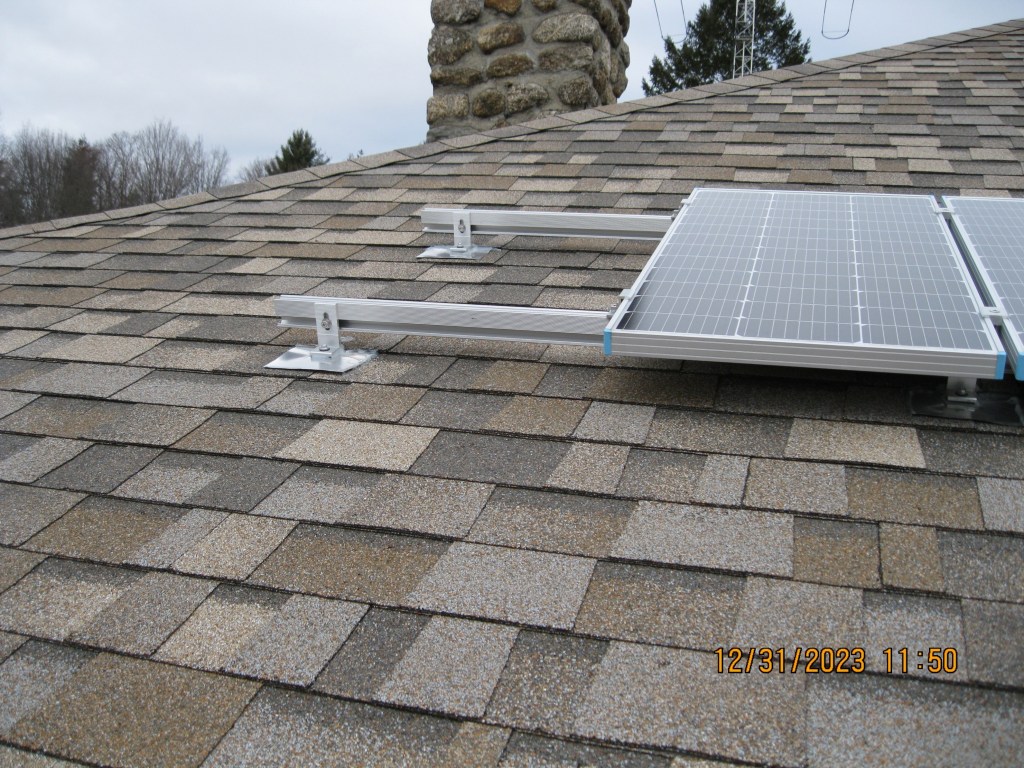
•Don’t mount directly to the Asphalt Shingles
•Cables are not to touch the shingles
•Screws (big screws) into your joist, that will give you strength for wind and snow load
•Use RTV sealant into the holes before you screw down the frame
•Use aluminum to be inserted under the shingle above
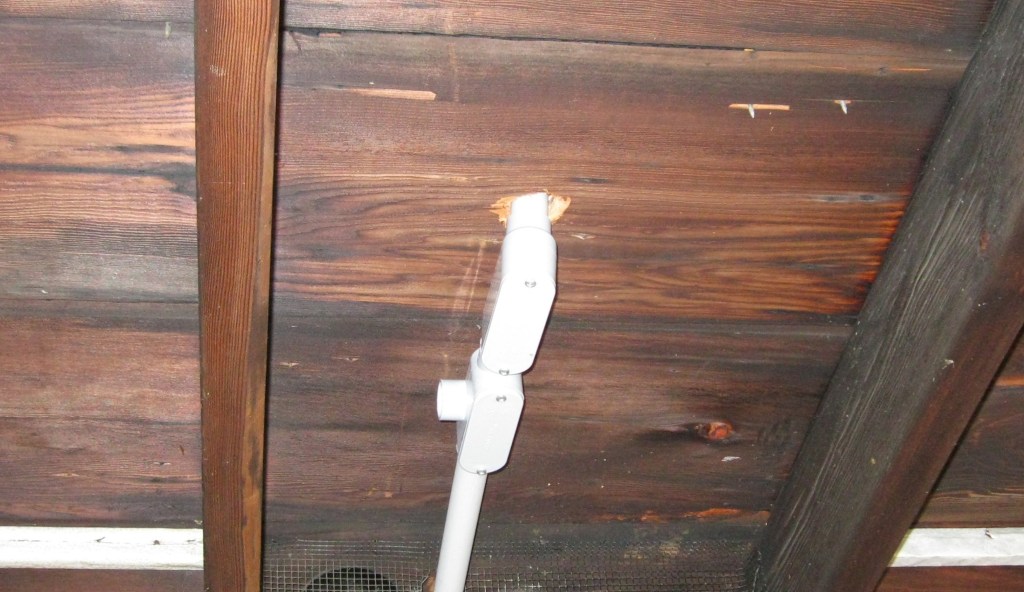
•Use a boot for the conduit penetration point
How to wire up the Solar Panels
•These panels nominally output 20V, well that would fry my battery.
•That’s where the PWRgate charge controller comes in, it will provide the proper voltage to the batteries.
•Don’t ever feed the PWRgate from another solar charge controller.
•I took the two 100W panels and connected them in parallel down to the PWRgate (12V)
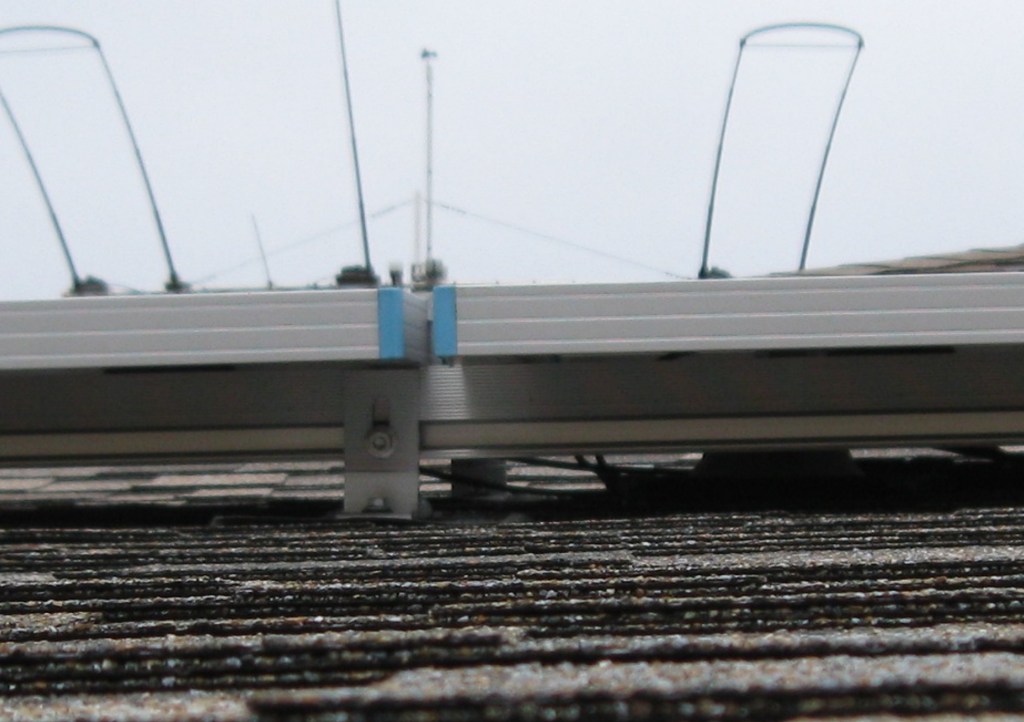
•They make special Solar Panel cables 10ga with double insulation
•Frame must be grounded
Peak Sun Hours
•https://footprinthero.com/peak-sun-hours-calculator
•My zipcode, angle of panels, direction of panels
•My monthly averages:
•January: 3.49 * 200W = 698W
•February: 4.79 * 200W = 958W
•March: 5.4 * 200W = 1,080W
•April: 5.48 * 200W = 1,096W
•May: 5.39 * 200W = 1,078W
•June: 5.61 * 200W = 1,122W
•July: 6.11 * 200W = 1,222W
•August: 5.96 * 200W = 1,192W
•September: 5.48 * 200W = 1,096W
•October: 4.03 * 200W = 806W
•November: 3.28 * 200W = 656W
•December: 3.06 * 200W = 612W
Peak Sun Hours
•Previous example is if you have sunup to sundown sun
•If you don’t have sunup to sundown
•Not to worry peak is near noon
•Just getting an hour before to an hour after noon will provide you a lot of charging
•You could consider a directional system that tracks the sun to get maximum solar power
My Setup
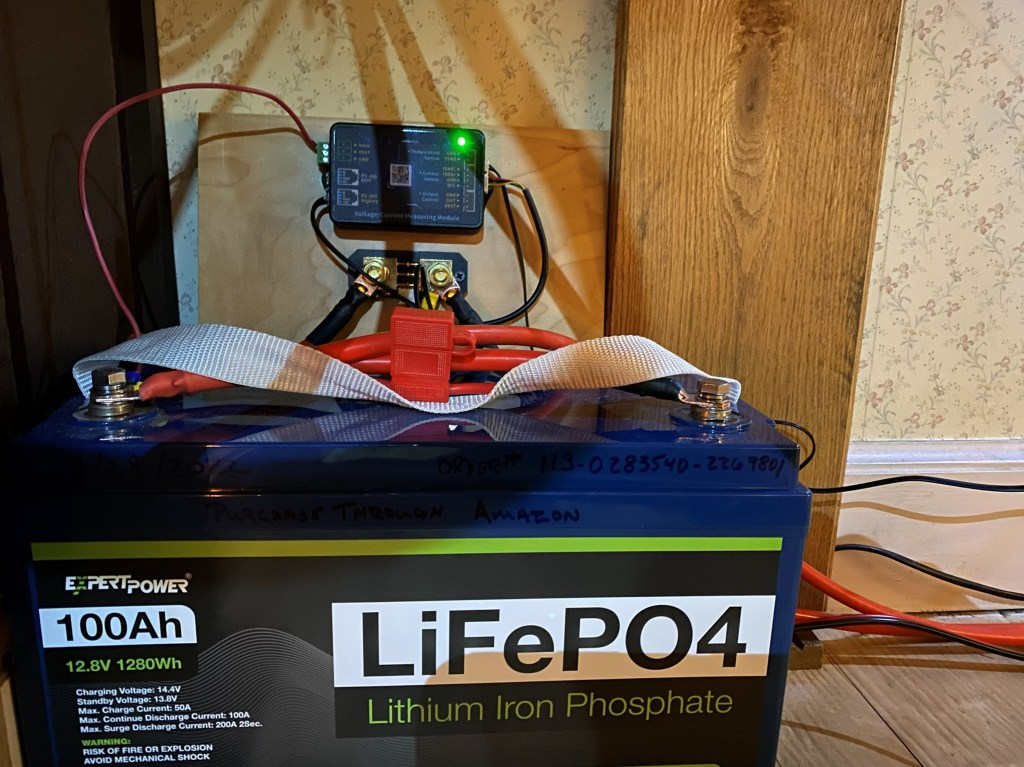
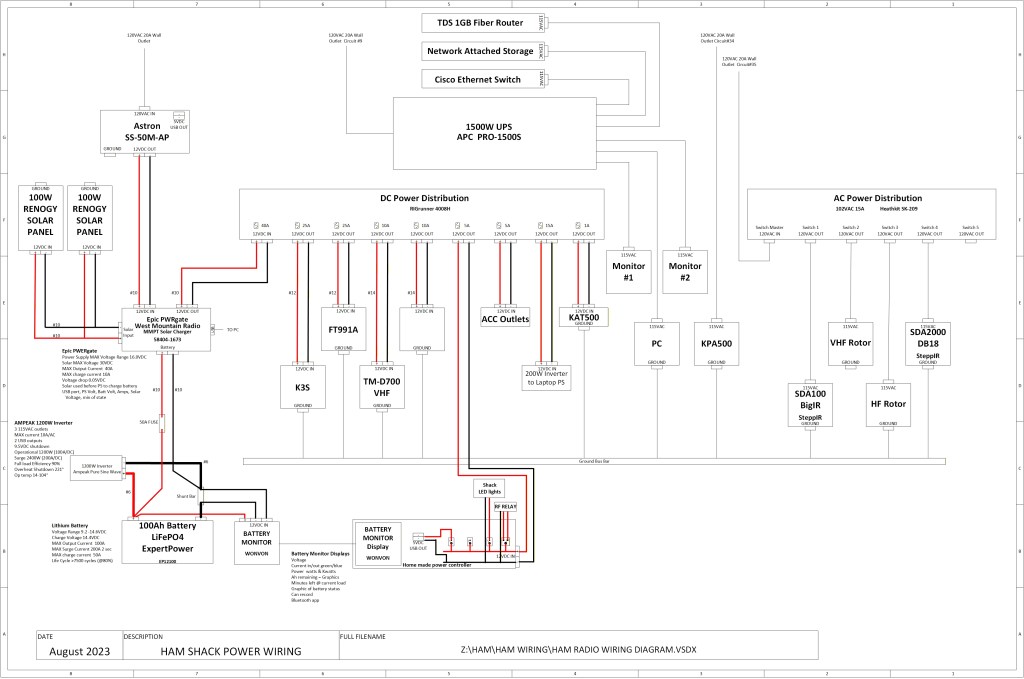
 W1XMM Amateur Radio
Leave a comment